HackTN26 · From Surplus to Social Good
Tonight's leftovers.
Tomorrow's meals.
FeedForward routes tonight's kitchen leftovers to their best use: people first, then farms, then compost.
Why FeedForward
Good food is thrown away every night while our neighbors go hungry.
The food exists. The need exists. What's missing is a fast, safe way to connect them.
The need
Hunger is closer than you think
Food insecurity reaches every county in America, and the South is hit hardest.
1 in 6Tennesseans faced food insecurity
Feeding America, Map the Meal Gap 2026, 2024 data (opens in a new tab)The waste
Meanwhile, good food goes in the trash
Most surplus food is still good to eat. Very little of it ever reaches the people who need it.
Under 2%of surplus food gets donated, even though most of it is edible
ReFED via AgFunderNews, 2021 data (opens in a new tab)The squeeze
The people fighting hunger are stretched thin
Food banks are losing federal supply just as the cost of feeding people keeps rising.
30%of Second Harvest of Middle Tennessee's USDA food supply lost to federal cuts
WSMV, 2025 (opens in a new tab)
When I see half-eaten food or trim waste, I always think damn, someone would've killed to eat that.
We're talking about food that is perfectly good.
When we throw away food, we are collectively wasting resources, wasting opportunity and wasting dignity.
The opportunity is right here in Nashville.
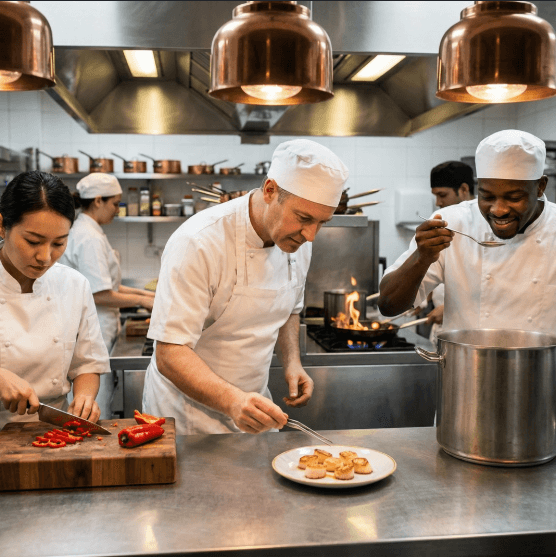
Much of today's food rescue comes from grocery stores. Restaurants, cafeterias, and caterers have surplus every night but no easy way to move it. FeedForward makes it a two-minute task: describe what's left, check the AI's draft, and a nearby pantry or shelter claims it.
9.3 millionmeals a year could be rescued by Nashville's restaurants, institutions, and caterers - closing about 23% of Davidson County's meal gap
Nashville Food Rescue Landscape Analysis, 2017 (opens in a new tab)Every statistic links to its original source.
How it works
Describe it
A kitchen manager types what’s left, the way they’d say it.
AI drafts it
OCI Generative AI turns it into listings. Our rules suggest each item’s tier.
Confirm it
The donor checks every item. Cooked food gets a quick safety question.
Route it
Verified recipients whose own rules fit are suggested, and one claims it.
The AI drafts. Your rules decide. A person confirms.
FeedForward never guesses whether food is safe. Unknown conditions get flagged, each recipient's own acceptance rules decide every match, and the donor confirms before anything is posted.
Every pound goes to the best use it's still good for
FeedForward follows the EPA's Wasted Food Scale (opens in a new tab), which ranks what to do with surplus food from best to worst.
- Tier 1 · People
People first
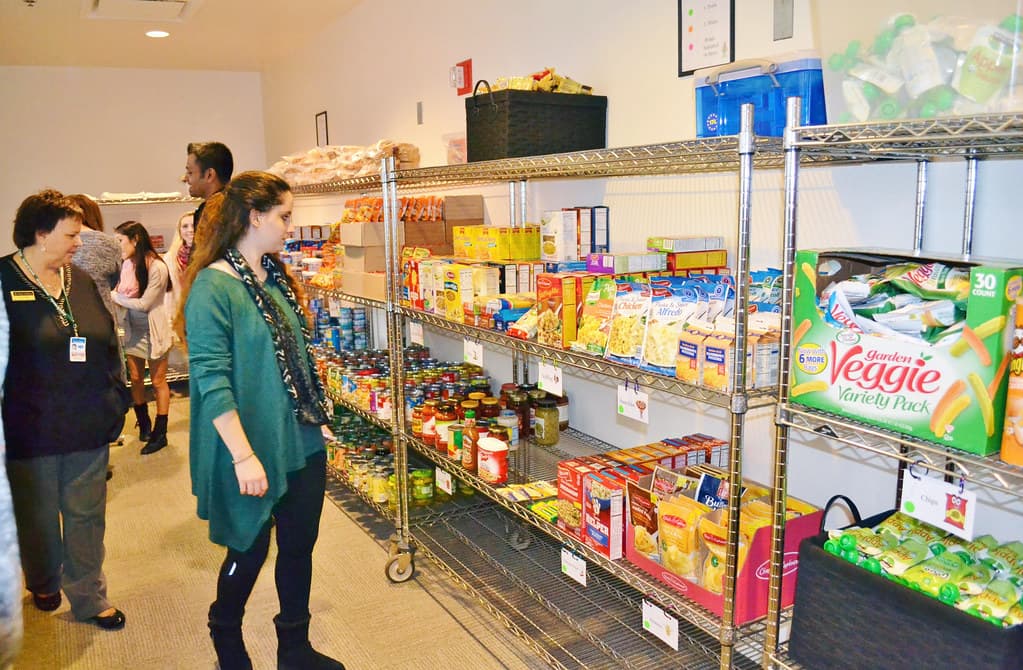
Safe, edible surplus goes to food pantries, shelters, and meal programs.
Goes to: Pantries, shelter kitchens, meal programs
- Tier 2 · Animals
Then farms
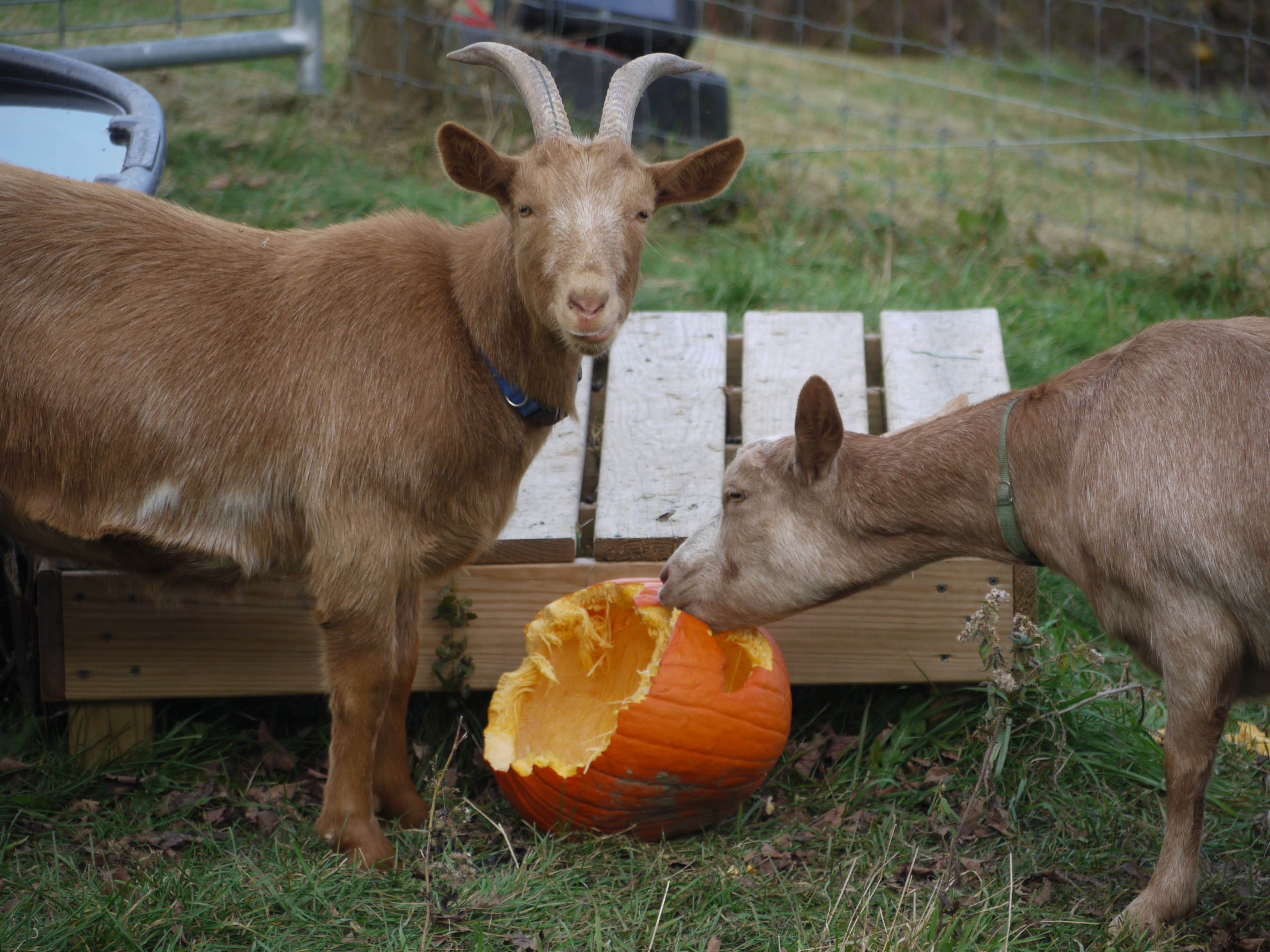
Plant-based scraps that never touched meat become feed for goats, chickens, and other livestock.
Goes to: Local livestock farms (never pigs, per KY and TN law)
- Tier 3 · Compost
Then compost
Whatever is left becomes compost that builds healthy soil, instead of going to the landfill.
Goes to: Compost sites and community gardens
The landfill is the last resort
Food buried in a landfill doesn't just go to waste. It rots and releases methane, and Nashville's main landfill is running out of room.
58%of landfill methane emissions come from wasted food
U.S. EPA, 2026 (opens in a new tab)~4 yearsof capacity left at Middle Point, the landfill that takes most of Nashville's trash
WPLN, Feb 2025 (opens in a new tab)Join FeedForward
Free today. More ways to give, coming soon.
Recipients never pay. Donors can start free now, and upgrade for tax-ready records or full-service pickup when new memberships launch.
For pantries, shelters, farms, and compost sites
Free, always
- Only food you can use: set the tiers and categories you accept
- Claim in two clicks and pick a pickup time inside the food's safe window
- Every pickup logged, so you can show your funders
For restaurants, cafeterias, and caterers
- Available now
Community
Free
Everything you need to start rescuing food today.
Pickup: Recipients pick up from you
- Post surplus in plain English; AI drafts the listing in about two minutes
- Automatic matching to nearby recipients who can use it
- USDA-based safety checks and guidance on federal liability protection
- Impact dashboard and a shareable summary for your customers
- Coming soon
Records
Paid membership
Everything in Community, plus the paperwork your CPA needs.
Pickup: Recipients pick up from you
- Everything in Community
- Every donation tracked by item, weight, date, and recipient
- Tax-ready donation reports to send to your CPA
- Year-end summary to support the enhanced federal food donation deduction
- Coming soon
Full Service
Paid membership
Everything in Records, and we handle the food for you.
Pickup: FeedForward packages, picks up, and delivers
- Everything in Records
- Packaging at your location
- Scheduled pickups by the FeedForward team
- Delivery to the right place: people, farms, or compost
Paid memberships aren't available yet; pricing will be announced at launch. Legal and tax details are general information; see our food safety and liability notice and check with your tax advisor.
Try the demo: choose who you are
No password needed. Pick a sample organization to see FeedForward from their side.